
“It is important to come to terms with the fact that these are not mere aberrations in an otherwise well functioning system that you can simply patch up with a good program. Sexism, racism, and class domination are coded into the very operating structure of our society so that our efforts to imbue new values into the system will require that we work overtime with as much diligence as those who propagate tools of exclusion and marginalization. as educators, this means we can’t simply prepare our students to succeed in the world as it is, playing and winning at the game of life. We have to develop and hone new social technologies that will help transform the status quo.”
-Ruha Benjamin
As a person with generalist leanings seeking to engage deeply with our social fabric and shared realities, this talk reminds me that one role I am growing into is that of an educator. This isn’t a path I have tread much in the formal sense, but I’ve discovered that both education and technology unavoidably come up as essential aspects of my vision.
Weaving Earth, the school I attended as an adult, emphasizes “relational education” which I see strongly reflected here as Benjamin discusses the need to address inequity in mainstream education by shifting the emphasis from tools and scalable solutions toward quality of relationship. This helps me to tie my own struggles and maladjustment within the education system back around to the much greater struggles that others face as a result of institutionalized racism.
We have abundant access to tools these days. While this is a good thing, the tools (characterized by science and technology) are overemphasized and imagination (represented inadequately by “the arts”) is devalued both in education and society at large, and in our own hearts and minds if we are honest with ourselves.
A personal example of this is internalized ideology. As a teenager, I so resented being controlled that I came to ideologically oppose all the forms of domination that affected my life. By imposing this structure on my mind and my entire relationship with the world, I was reproducing the exact same command-and-control logic that I opposed.
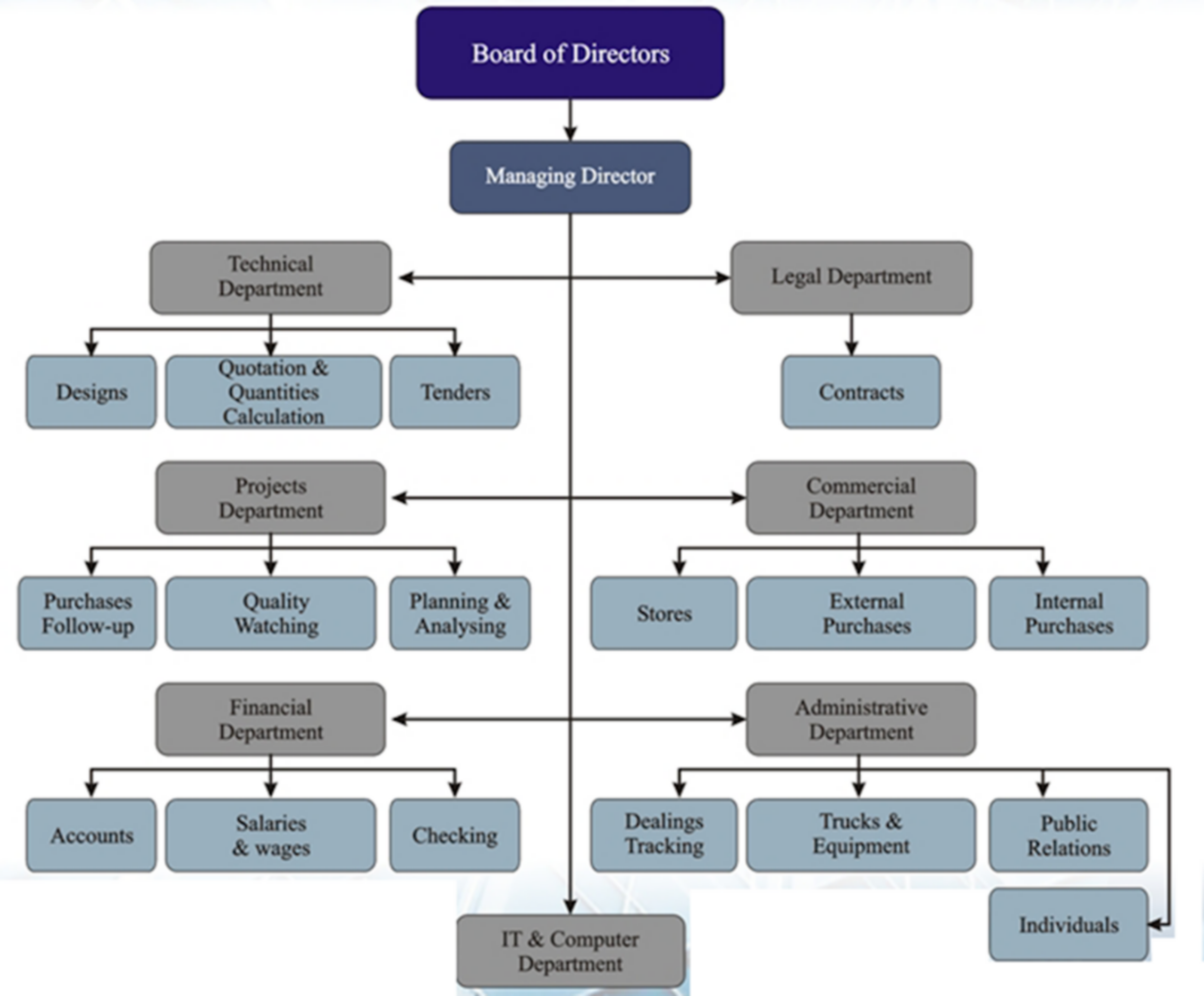
The desire for a final solution to reduce a complex and living world to something fully understandable leads to a failure of imagination. To make things manageable in that way, we must cut away and discard everything that does not fit into the framework, and what remains is sorted into categories of more or less important or more or less deserving. This is the essence of inequality. Trapped in these frameworks, we fail to realize how we might be contributing to my own unhappiness, and miss out on valuable information and alliances because everything is interpreted in terms of our own struggles. We become conditioned to reach for what we can’t have instead of seeing the potential in what is right in front of us.
There is nothing trivial about the imagination. If we can’t together build our capacity to imagine a better world and break out of patterns that have become comfortable, nothing will ever change.
More than a technically proficient plan, I think we need to invest in the quality of our relationships and the depth of our imaginative vision and commitments. Instead of just practicing at the game of life, let’s play with learning to create our own rules.
Quoting the video above:
“Whose voices are missing when decisions are being made about technology and education? Because without thoughtful consideration, it’s likely that current forms of inequality… will all be unwittingly built into the design of new tools and practices. So how then do we prepare ourselves and our students to engage with these default settings? Do we equip them to succeed as individuals playing the game of life, of do we teach them how to work together to change the underlying codes that structure their lives and reproduce inequity?”
Photo credit: alhamidgroup-iq.com

Comments
There are currently no comments on this article.
To add your comment, fill out both fields, press "Preview", then "Submit". Comment will be displayed at the bottom of all pages of the site.